

What Really Works: 7 Marketing Strategies for Health & Wellness Clinics
When we talk about marketing for small health and wellness businesses, the advice often sounds like there’s a secret recipe hiding somewhere: “Run Facebook ads”, “Invest in SEO,” and “Post on Instagram three times a week.” It’s easy to think of marketing your clinic as one thing or one set of things you should be doing as a clinic owner.
But after having many conversations with clinic owners across different disciplines, I came away with a different conclusion that maps to my experience as a marketer in the tech industry:
⭐️ Marketing isn’t one thing, and there isn’t one way to do it that just automatically works. ⭐️
As I’ve been talking to clinic owners through Jane’s podcast Radio Front Desk, I’m noticing that what defines successful marketing for health and wellness businesses depends less on what’s trending and more on who you are as a business and what you are trying to achieve.
Your clinic’s characteristics, your community, your patient base, your staff culture, and even your physical location shape the marketing strategies that actually work for private practices and clinics.
Let’s dig into some of these stories a little. Fair warning: this is a long post, but stick with me. In the stories ahead, I’ll share where clinics wasted money, where they found traction, and how you might use those same tactics to grow your practice.
Community marketing – helping small clinics stand out in competitive cities
Let’s start in New York City. Dr. Kellen is a physical therapist and the owner of Fit Club NY, which has four brick-and-mortar clinics in Astoria, Chelsea, Dumbo, and Williamsburg. His clinics serve athletes, kids, and fitness-minded people in a city where there are many options to receive care. In particular, there are a number of larger clinics, owned by private companies, that have what seems like endless cash to get new patients in the door.
For Kellen, community marketing for health clinics isn’t about big budgets or splashy campaigns; it’s about showing up. He’s taken a grassroots approach, getting out into the community, meeting people where they already gather, and paying attention to what matters to them.
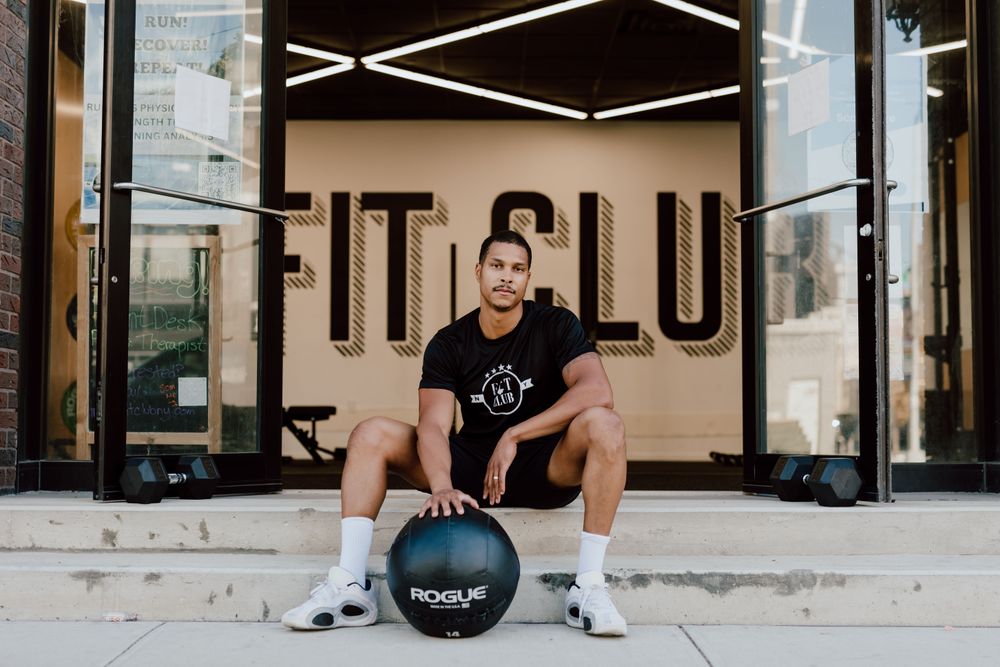
Dr. Kellen Scantlebury, New York City, NY
He described partnering with local influencers to host workouts tailored to athletes, and showing up to marathons, track meets, and on basketball courts. For Kellen’s clinic, local event marketing and face-to-face presence outperformed every other channel that he thought he “should” be centering his marketing around.
And so what were those things he was supposed to do that didn’t work? Facebook ads. The leads were too low-quality and too time-consuming to follow up on.
The lesson here is well-known by professional marketers across industries. If digital marketing isn’t done in a very specific and targeted way, oftentimes the ads you spend so much on get put in front of the wrong people. Or, the timing is wrong: the ad is in front of the right people, but your message isn’t right for the moment.
I can’t emphasize this one enough. In large companies, there’s a team of 1-3 full-time people spending all 40 hours of their work week building structured systems. They deeply research their audience, then test dozens of ad variations across different platforms, measuring which headlines, images, and offers actually convert. The winning content gets scaled with bigger budgets, while the losing content gets cut quickly (notice, these teams have a lot of buffer for money spent, leading to no positive business impact), creating a cycle of constant testing, data-driven decisions, and reinvestment into what works.
Dr. Kellen found a much more cost-effective marketing strategy for his clinic and a successful way to spread the word about his business and services. Since his patients live in the gym, at the track, at races and organized sporting events, they weren’t going to find him scrolling Facebook at 10 p.m. But they have found him on the sidelines.
Also note, I’m not saying digital marketing or paid ads never works. But it’s important to know that sometimes the best marketing plan for clinics starts with understanding what your clients actually want, and finding genuine ways to give it to them.
On that note, let’s look at an example of a clinic that leveraged Google reviews marketing for a wellness business.
Google reviews – building trust and credibility for specialized clinics
When I spoke with Dr. David Bruton, owner of Between the Lines Physical Therapy in Centennial, CO, he generously shared a hard lesson with me. When he started out, he was given the advice to spend big on radio advertisements. So he went in strong, banking $20,000 on radio campaigns. And what happened? These ads and that money delivered zero patients.
According to David, sports medicine clinics and physical therapy businesses like his often live and die on reputation. The radio ads didn’t work because no one knew him yet. There was no trust, no familiarity, no reputation to build on.
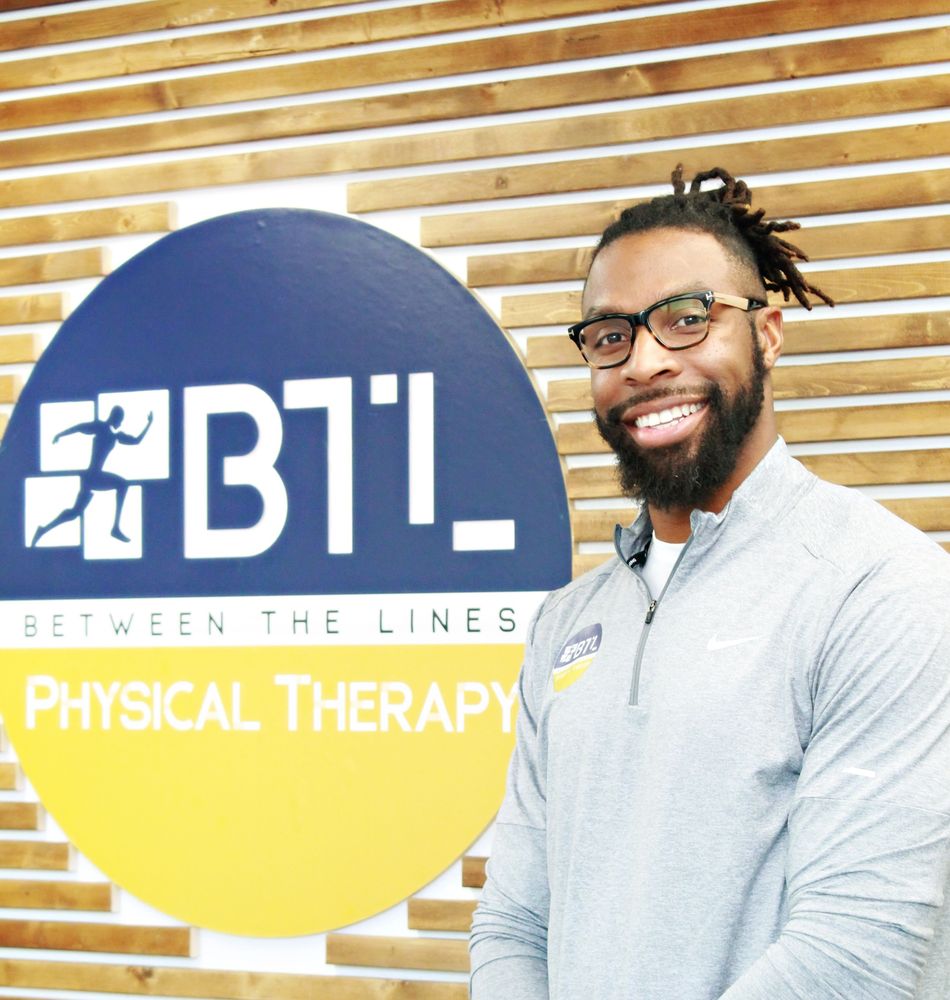
Dr. David Bruton, Centennial, CO
But what worked was word-of-mouth fueled by tangible outcomes. Like Kellen from the example above, David built strong relationships with athletes in his community. This looked a little different, as David’s location is quite different, Colorado, vs. Kellen’s, NYC. So David was giving athletes exceptional care that helps them avoid surgery, and then worked with patients to showcase their results through Google Reviews, highlighting real recovery stories that helped new patients see the clinic’s credibility firsthand.
David also invested in building clinic credibility by speaking at team events and leveraging elite athlete connections from his own time as an athlete to build his business.
The big picture: credibility beats broadcast ads when your patients value expertise and results.
Google search – how SEO helps health and wellness clinics reach patients online
Aphrodite Fertility Acupuncture is a clinic based in San Diego. Founded by Emily Marson, and run in partnership with Ghonchah Ayazi, the clinic is an example of a care model where patients almost always start with a Google search.
Why?
Aphrodite’s specialty is people who are trying to conceive, and as a person who has had 2 children, there’s something that stands out to me about this example. When someone is in this phase of life these days, what do they do? Well, I’ll just say what I did: go online for hours a day researching, learning, and trying to understand your experience and what to expect.
The CDC estimates that 13.4% of women in the U.S. experience fertility issues, which is roughly 8.6 million people. Like me, many are online (a lot) seeking information, advice, and connection. That’s a real opportunity for clinics like Aphrodite to reach those who need their care most through SEO for fertility clinics.
For Aphrodite, after years of trial and error with Yelp ads, Google ads, and Instagram boosts, they hired a Search Engine Optimization (SEO) specialist for their clinic. SEO works by helping your website show up higher in search results when people type in questions or keywords related to your services. It does this through a mix of technical setup (site speed, mobile-friendliness), relevant keywords, and high-quality content that signals to Google you’re a trustworthy authority. It can also be targeted to only draw in people who are in your location, e.g. just in San Diego.
Once they did this, Aphrodite saw new patient numbers spike. Targeted SEO for their clinic allowed them to attract patients who were a fit for their clinic. But I want to be clear that it wasn’t just plugging keywords into their website. This work was also about sharpening content on their website to be problem-centered. Instead of “Pilates for women trying to conceive,” they changed their main website page to say, “Don’t lose strength during pregnancy.” That clarity built trust.
The other thing I learned from talking to Emily and Ghoncheh is that this work is never done. They’re always fine-tuning, making sure their message and clinic SEO strategy speaks directly to the patients they’re hoping to reach.
You can see from a snapshot of their homepage today warmly and clearly welcomes visitors from the very first line:
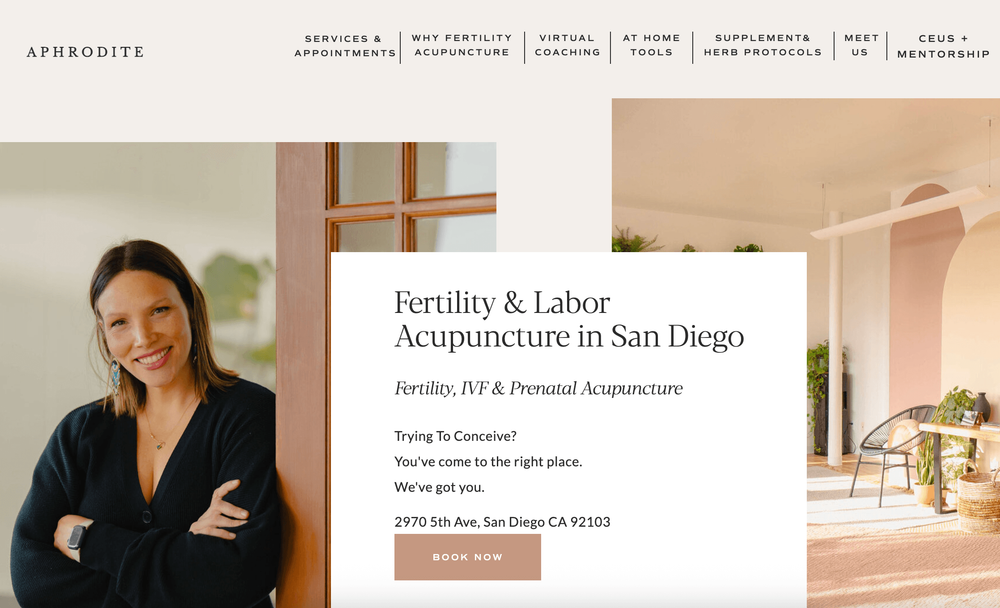
Reputation and word-of-mouth still mattered for Aphrodite. They definitely still benefit from patients referring friends after successful pregnancies, but SEO was the fast lane to new patient growth.
Content marketing – building trust by sharing what patients want to understand
Not every clinic wins through paid ads. Psychotherapist Matt Lundquist, owner of Tribecca Therapy, built his therapy practice through a combination of excellent care and long-form, human-centered writing, a quiet kind of content marketing for clinics.

Matt Lundquist, New York City, NY
Matt ignored the “pay for clicks” advice he got and instead spent weekends writing thoughtful essays about therapy topics. As a career content marketer myself, I can tell you that what he’s done is truly remarkable. His blog demonstrates excellence in writing, maturity in topic choice, and an understanding of surprise and delight. For instance, I love his article on why to tell your therapist you are mad at them. Matt is not only answering real questions that people in therapy have. He’s answering unspoken questions that patients often Google when looking for a therapist they can trust.
The result? Patients discovered his site while searching online for mental health support, seeking answers to questions they might hesitate to ask in person. Or looking for a therapist who could meet them with understanding and care. It’s fair to assume they felt like they knew him and his style before ever reaching out. A great example of how thoughtful blogging for clinics builds patient connection and trust.
Over time, he invested in a professional writing partner to sharpen ideas and elevate the work. Matt’s take is that what mattered wasn’t keywords, but it was voice, depth, and point of view.
For clinics with an intellectual or values-driven patient base, good writing isn’t just content marketing for the clinic. It’s trust-building.
Relationship building – how patient connection helps grow a clinic
Jane’s Co-Founder and Co-CEO Ali Taylor has an interesting perspective: when you’re getting your clinic started, one of the most important things you can do is hire great practitioners who intentionally get patients to rebook and stay engaged in their care.
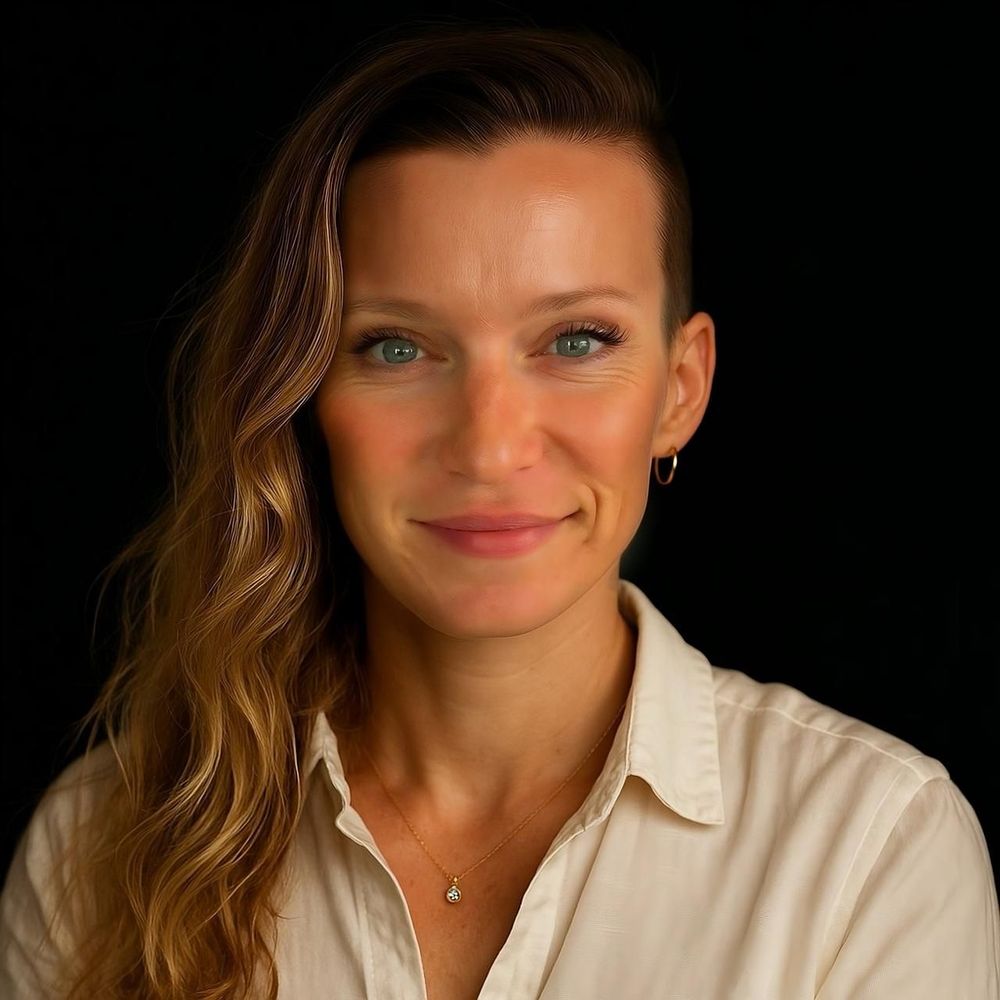
Alison Taylor, North Vancouver, BC
She has a powerful personal anecdote. Ali has 3 kids who are active and athletic. They see various types of practitioners, and sometimes they will offer at-home exercises. It’s common for practitioners to give at-home exercises, and that’s not a bad thing. But for Ali and her kids (like many families), despite good intentions, the exercises often get dropped. When that happens, care becomes less effective.
Ali’s advice, especially for new clinic owners and practitioners just starting out, is to have patients rebook to do the exercises together during the appointment. It builds accountability and leads to better outcomes, supporting patient retention and growth. And later, when the focus shifts to maintenance, exercises can be added to a take-home plan.
It’s a philosophy shared by friend of Jane, fellow clinic owner, and founder of Ginger Desk, Dr. Julie Durnan. For Julie, nothing beats the energy and connection that come from being fully present with patients. That real-time presence is at the heart of relationship-based care.

Dr. Julie Durnan, North Vancouver, BC
She took that responsibility seriously, ensuring her clinic had that welcoming, connected feeling she wanted patients to experience. Julie focused on hiring and coaching practitioners to build trust and long-term relationships. She knew a strong clinic starts with empowering her team to provide great care, and to help patients come back for it.
As a clinic owner, your role isn’t just to find great people. It’s to support your team so they feel confident delivering care that keeps patients engaged and returning.
Your location is a marketing decision – turning visibility into foot traffic
Vitae Health and Sport in North Vancouver signed a lease in an up-and-coming shopping center with condos above, a high-end local grocer, and a well-known coffee chain. The rent was steep, but owners Dr. Eric Vermander and Caroline King felt confident the location would pay off. Their neighbors were established, high-traffic businesses, and with residents living right above the clinic, walk-in visibility and steady foot traffic were built into their clinic location strategy.
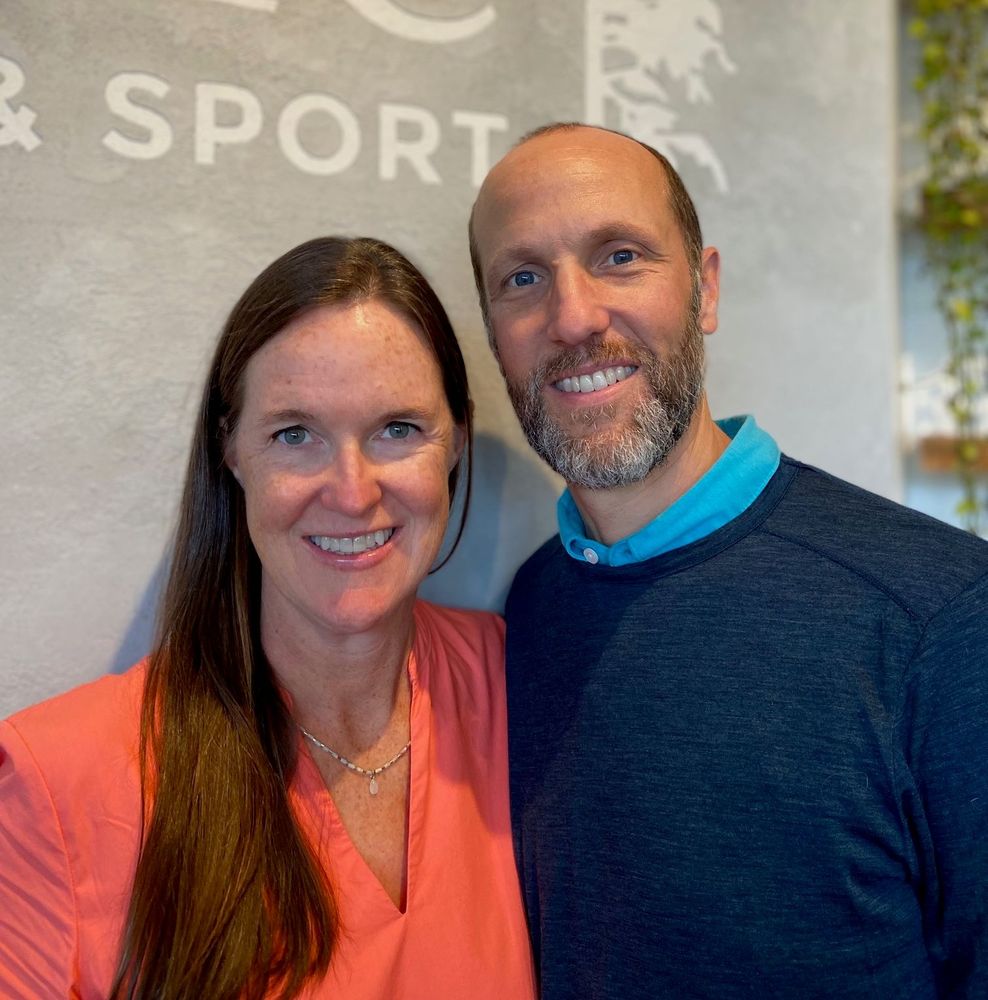
Dr. Eric Vermander and Caroline King, North Vancouver, BC
In contrast to clinics tucked away in office towers or business centers, Vitae’s ground-floor, high-visibility location became its own form of marketing. When they moved in, they didn’t have to spend a single dollar on advertising; people simply saw the clinic and walked in.
To protect their investment in the location, Eric and Caroline also negotiated a clause in their lease that prevents any competing health or wellness clinic from opening in the complex for the next ten years.
Their story is a reminder that sometimes, your clinic location is your marketing.
Social media – turning online connection into real community
Should all clinics use social media? I hope that by this point in the article, your answer is: it depends. I think a better question is: when does social media marketing work for a health and wellness business?
For Austin Evans and Erin Joyce, owners of Coast Mountain CrossFit in North Vancouver, social media works because it amplifies what’s already true about their business: they’re rooted in a thriving, diverse community.
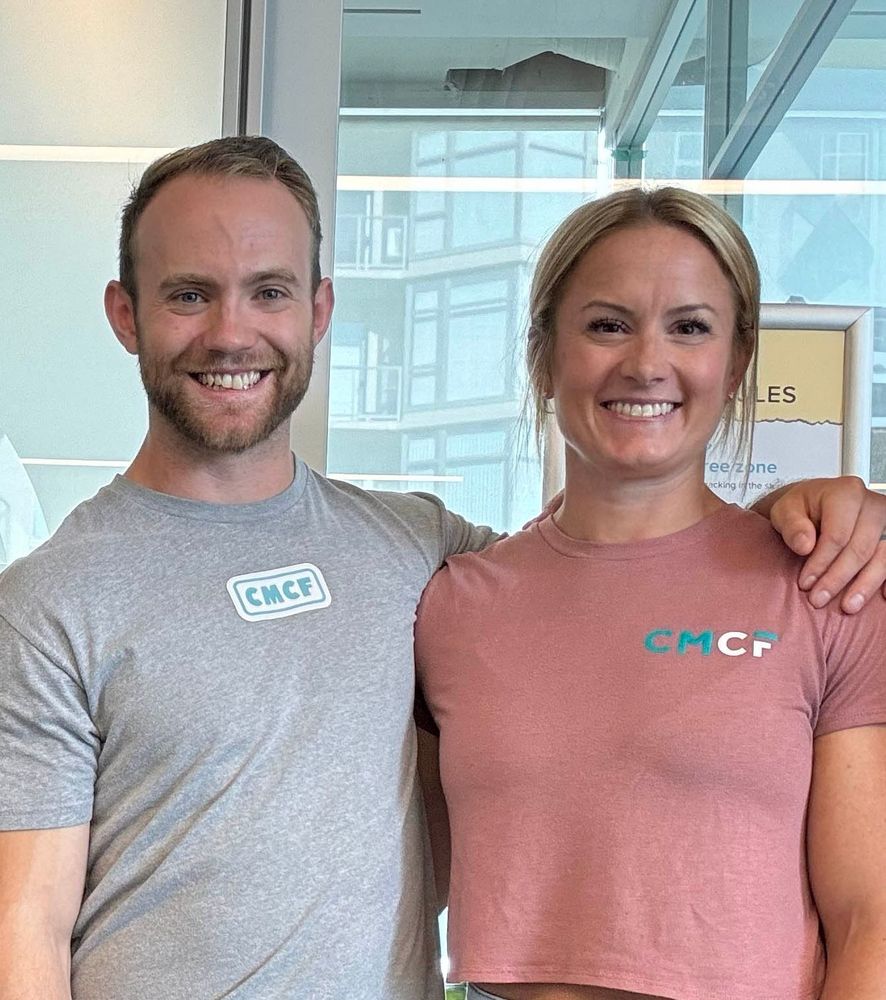
Austin Evans and Erin Joyce, North Vancouver, BC
Located a short drive away from Vitae Health and Sport (our earlier example), Coast Mountain sits in a shopping center surrounded by residential homes and a busy family life. People pass by constantly on their way to work, dropping kids off at school, or heading to evening sports practices. That built-in visibility created awareness long before they spent a dollar on marketing. Early members spread the word, too, through referral programs, “bring-a-friend” events, and community gatherings for the clinic, like barbecues that turned fitness into a social event.
But the real magic comes from how Coast Mountain uses social media. Their Instagram feed doesn’t rely on polished fitness influencers or staged workouts. It shows their people. Parents are squeezing in a class before pickup. Retirees staying active. Teens training for sports. Friends laughing through a tough set. Every post reinforces that this is a community-driven wellness business using social media to show real life.
Because none of what they share is sensitive or private, they’re able to highlight authentic, joyful moments that build trust and belonging. That’s what makes their social media powerful. It reflects a community that already exists in real life.
For Coast Mountain, visibility and storytelling go hand in hand, coming together as an organic social media strategy.
In summary – 7 paths to market a private practice
🌆 You’re in a competitive or urban area…
Try: Community marketing
What worked: Being physically present where your patients already spend time (gyms, races, events) and building trust in person
What didn’t: Facebook ads that brought in low-quality leads
You might relate to: Dr. Kellen at Fit Club NY
🤝 Your ideal patients value results and reputation…
Try: Google reviews and speaking engagements
What worked: Encouraging patients to share outcomes and investing in relationships that build your credibility
What didn’t: Traditional ads like radio campaigns
You might relate to: Dr. David Bruton of Between the Lines PT
💻 Your patients are Googling their symptoms or researching care online…
Try: SEO and content-focused website updates
What worked: A focused SEO strategy paired with patient-centered messaging
What didn’t: Boosted social posts or paid ads without clear targeting
You might relate to: Aphrodite Fertility Acupuncture
💭 Your clients are drawn to thoughtfulness, values, or education…
Try: Content marketing (blogging, storytelling)
What worked: Long-form, values-driven writing that builds trust
What didn’t: Running ads without a distinct voice or perspective
You might relate to: Matt Lundquist at Tribeca Therapy
🆕 You’re just getting started and building your schedule…
Try: Relationship building and practitioner coaching
What worked: Coaching your team to encourage rebooking, hosting a grand opening, and walking door-to-door
What didn’t: Waiting for patients to find you online
You might relate to: Alison Taylor or Dr. Julie Durnan
🏪 You’re choosing a location or thinking about visibility…
Try: Let your space do the marketing
What worked: Picking a high-traffic location with nearby complementary businesses
What didn’t: Lower-cost offices that made the clinic hard to find
You might relate to: Vitae Health and Sport in North Vancouver
🧑🧑🧒 You’re in a tight-knit or residential community…
Try: Social media that reflects your real community
What worked: Sharing stories of real people doing real things, paired with “bring a friend” events and neighborhood visibility
What didn’t: Generic posts or forced social content
You might relate to: Coast Mountain Crossfit
Lessons – finding the marketing strategy that fits your clinic
I’m a life-long learner, and now I’m here at the bottom of this post, and it actually feels like the beginning. These conversations with clinic owners make me think that the best marketing strategy for clinics isn’t universal. It’s contextual. And it seems to me that clinics that are successful in their marketing are very carefully choosing tactics that map to the group of people they are trying to draw in.
And I think there’s value in saying this: instead of chasing the “one right strategy,” the better question for any clinic is: What kind of business are we, and what kind of marketing naturally fits us?
That’s not a magic formula, but it’s a much clearer idea to work with as you think about how to grow your clinic.
